Child & Adolescent Psychiatrist · Indianapolis
Child Psychiatrist. Father of 3.
Making sense of kids. Supporting the people raising them.
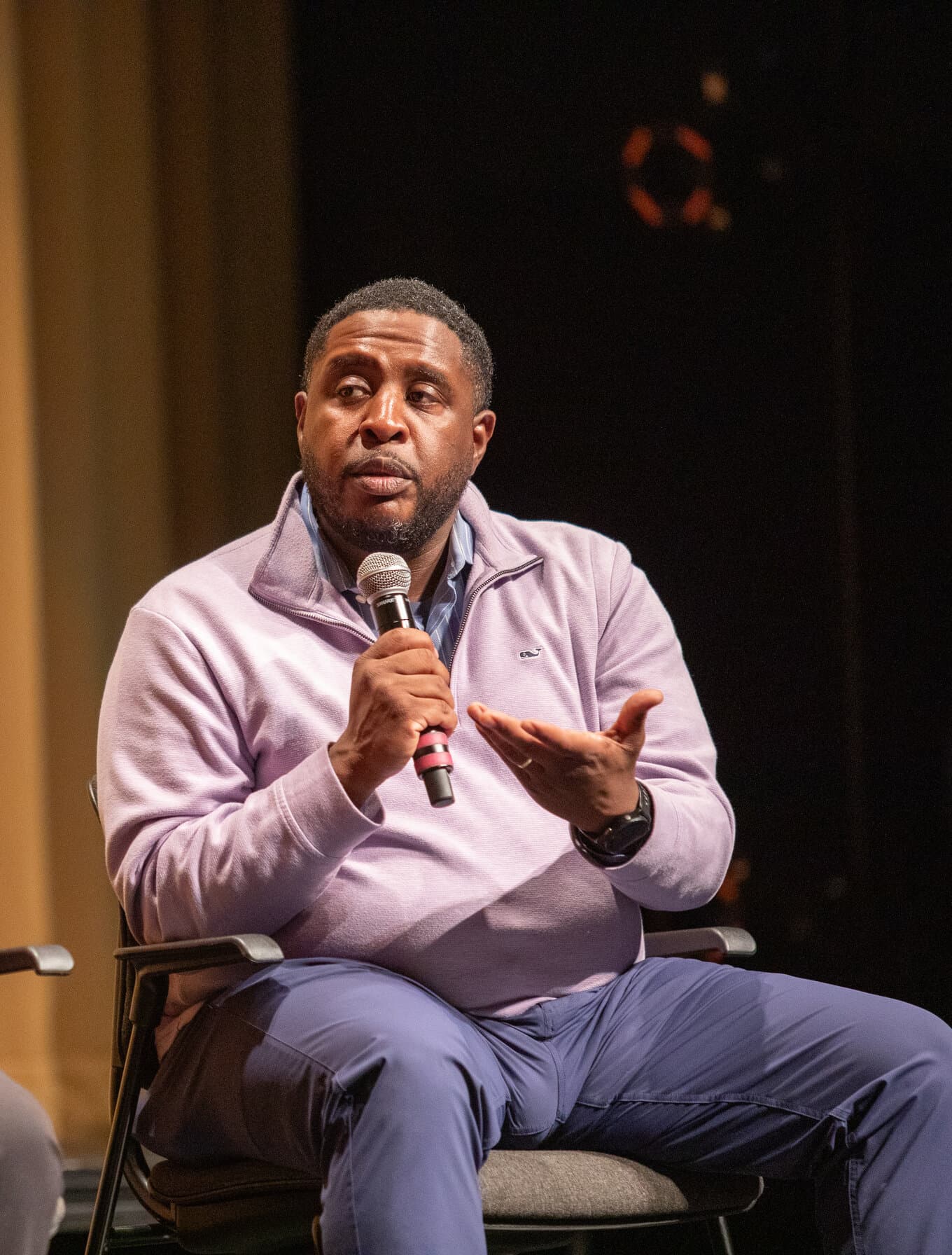
Straight talk on raising kids, from a Child Psychiatrist. I talk with students, parents, and educators about pressure, asking for help, and what treatment actually looks like.
The method
The Straight Talk Method.
An evidence-based system for parents, and it starts with connection. Built on MATCH-ADTC, PCIT, and Kazdin’s parent management training.
- 1See It Clearly
- 2Connect First
- 3Set the Structure
- 4Hold the Line
- 5Take It to School
- 6The Add-Ons
- 7Keep It Going
Watch
Straight answers to the questions
parents search for.
Education, not medical advice.
Free Starter Handouts
The exact words,
on one page.
Four Starter Handouts from the first stages of the method:
- One-on-one time. 15 minutes where your kid leads. No questions, no instructions, no criticism.
- Specific praise. Catch them being good, and say exactly what they did.
- Ignoring the small stuff. What to ignore, like whining and pouting. What you never ignore: danger and aggression.
- The ABC tracker. What happened before, what your kid did, what happened after. Write it down before you change anything.
Speaking
Three conversations
worth having.
Each one is built for a specific room. Every one of them ends with something the audience can actually say or do the next day.
What nobody tells you about asking for help
The questions teenagers are afraid to ask out loud: Will this be forever? Will it change who I am? What do I say when it isn’t working? A straight conversation, not a lecture.
Assembly or classroom talk · 30–45 min For parentsThe pressure your kid won’t tell you about
Young people don’t always have the words for what they’re carrying. How to notice it, what to say instead of “are you okay?”, and when it’s time to bring someone in.
Parent night or workshop · 60 min For schools & cliniciansTherapy or medication? What families are actually afraid of
The real barriers that keep families from treatment, drawn from practice in Indianapolis, and what schools, pediatricians, and counselors can do to lower them.
Grand rounds, staff development, or panel · 45–60 min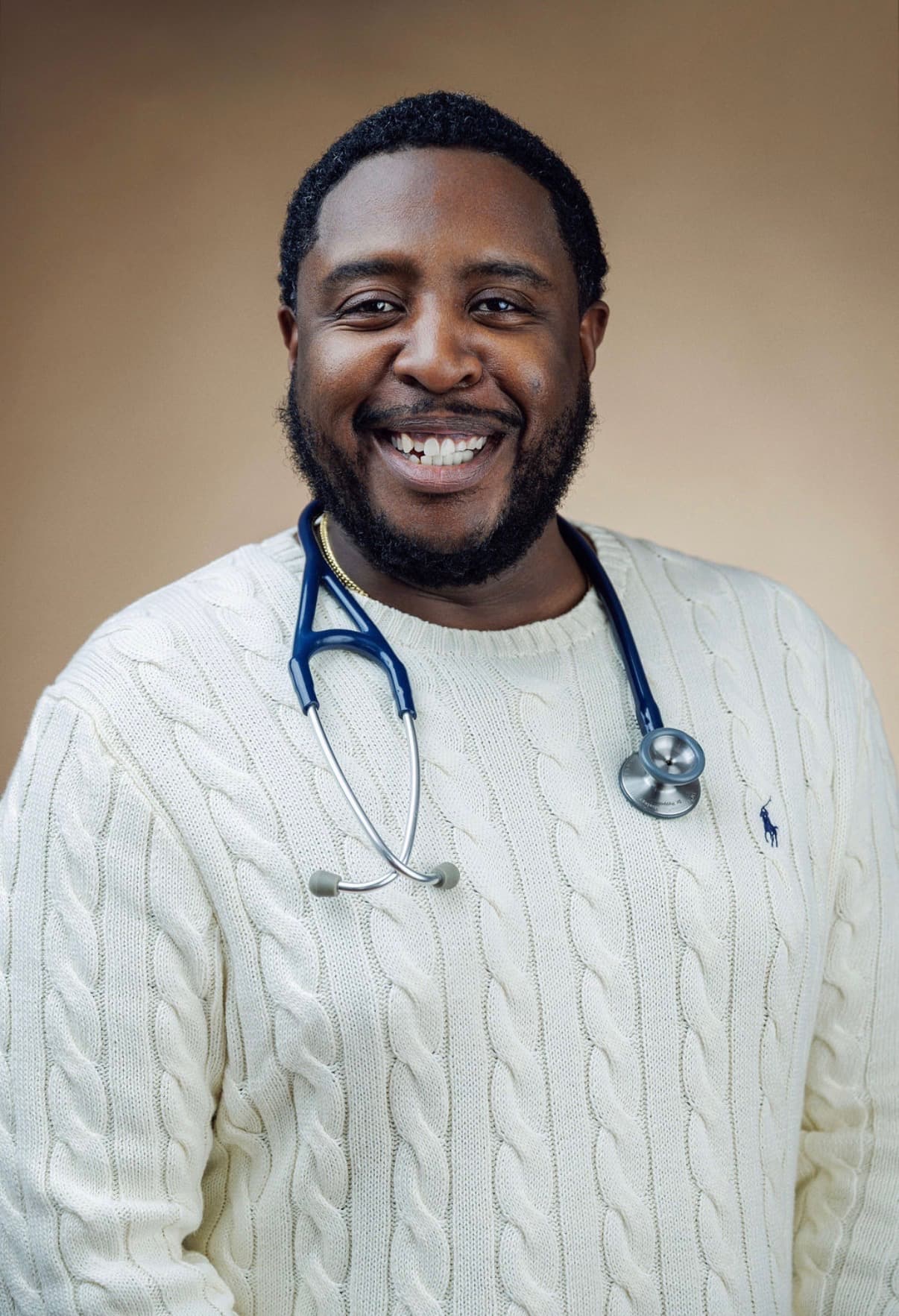
My story
I took the long way
to this room.
I have an accounting degree and spent my twenties in finance in New York. At 23 I was diagnosed with ameloblastoma, a tumor in my jaw, and the surgeries that followed are what sent me to medical school at 30.
Today I’m a fellowship-trained Child and Adolescent Psychiatrist at Eskenazi Health, and I trained at Indiana University School of Medicine. I work with kids, teens, and families in Indianapolis, and I’m a father of 3.
Read the full story